
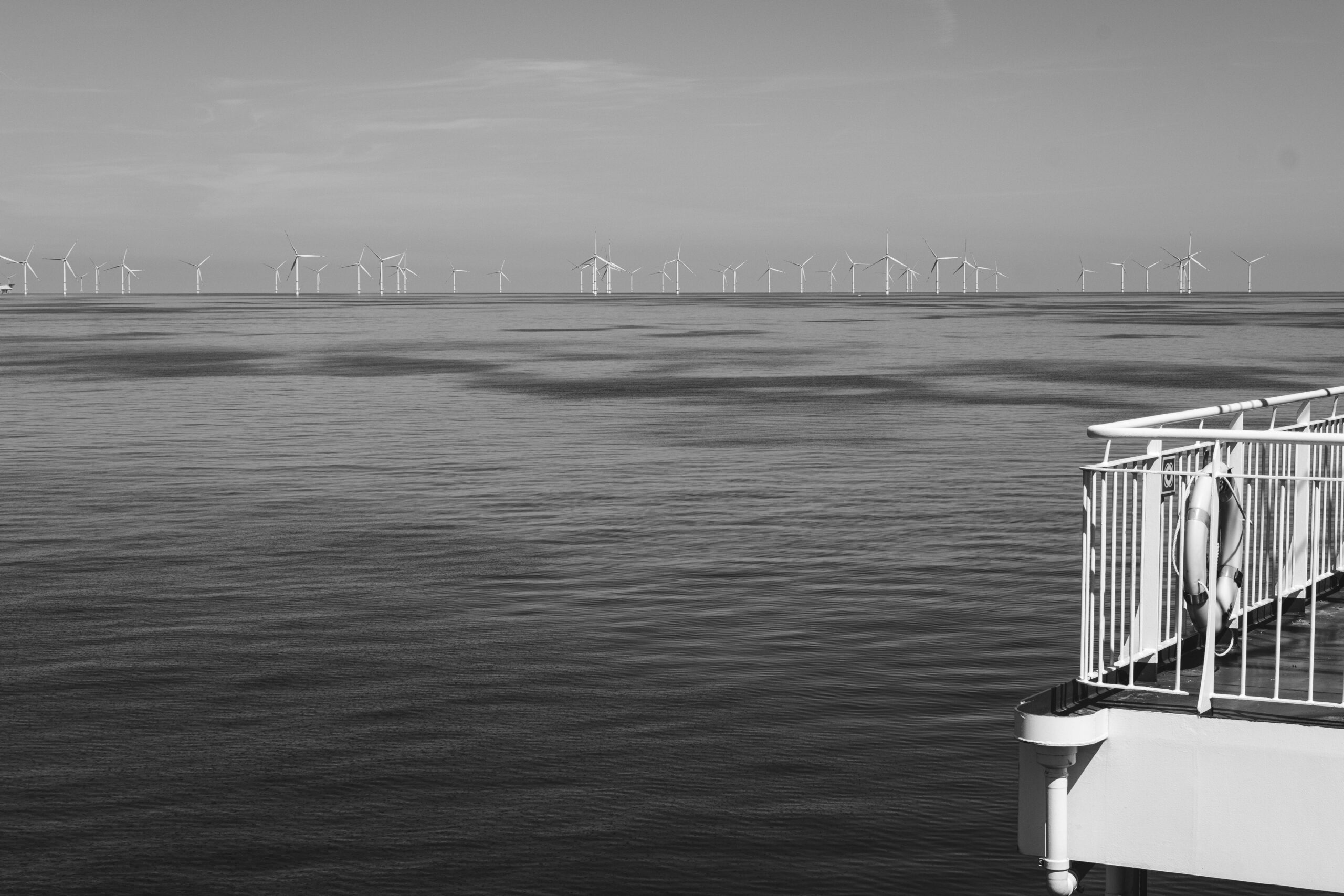
Corrosion that is starting to form on offshore structures makes long-term damage very likely, even when the equipment works in deep water. Because offshore parts stay in contact with salt water for many years, corrosion control becomes one of the most important steps in planning a safe project. When teams work with floating offshore wind turbines in harsh seas, corrosion management becomes even more important since these structures move with waves and currents.
Why corrosion forms in offshore settings
Corrosion in salt water
When metal stays in salt water for a long time, the minerals in the water react with the surface, which weakens the metal through a slow and steady process. When project teams work with large structures that sit under the waterline, they face greater risk, since high oxygen levels and strong flow cause faster wear. Because these conditions continue every day, corrosion grows when early steps are not taken.
Corrosion in deep water zones
When offshore equipment works in deeper areas, pressure levels rise, while sunlight and oxygen drop. Even though corrosion may seem slower here, it still grows inside small gaps. When deep water structures move or bend, parts that rub against each other can wear down faster. This means corrosion must be controlled in all zones rather than only in shallow areas.
Key parts at risk in modern offshore projects
Structural frames
When large steel frames support working decks and anchors, these parts face constant stress. Because waves and wind add dynamic forces, any early corrosion can spread faster. When frames lose strength, the risk of bending and cracking grows, which affects safety and project life.
Floating foundations
When working with floating offshore wind turbines, the hollow floating bases that keep the structure stable must resist corrosion over many years. Because these bases stay in constant contact with water, teams must protect both the inside and outside surfaces. When corrosion spreads inside the base, air leaks become likely, which creates stability problems.
Power systems
When corrosion affects electrical parts and cables, power flow becomes limited. While offshore power systems already face harsh weather, corrosion increases the chance of failure inside joints and connectors. Because power cuts reduce output, corrosion protection helps maintain steady operation.
Methods that help control corrosion
Coatings and surface layers
When anti-corrosion coatings cover the metal surface, the layer blocks water and minerals from reaching the metal. Because coatings must hold up under waves and storms, teams choose blends designed for offshore use. When coatings stay intact, corrosion slows, and the structure lasts longer.
Impressed current systems
When impressed current systems help protect offshore parts, the equipment sends a low electrical current into the metal surface so corrosion stops forming. Because this method limits metal waste, it supports cleaner operations, especially when used with floating offshore wind turbines in deep waters. When these systems stay active, the metal surface stays in its original state for a longer time.
Regular checks and monitoring
When teams monitor corrosion levels from shore or from a nearby vessel, changes can be seen early. Since offshore conditions shift with the seasons, regular checks help teams adjust power levels in the protection system. Because small changes can signal larger risks, early action becomes a key part of corrosion management.
Planning long-term corrosion control
Design choices
When corrosion risks are studied before the start of a project, the design can include protection systems, strong coatings, and easy-to-check access points. Because early planning reduces future repair work, design choices shape the full life of the project.
Environmental gains
When offshore equipment uses methods that do not release metal waste into the sea, the surrounding water stays cleaner. Since offshore projects may run for decades, cleaner systems protect both the equipment and the environment over time. Because modern corrosion control uses energy-efficient tools, the process supports long-term renewable energy goals.
Conclusion
When offshore projects rely on structures that must work in salt water for many years, corrosion management becomes a core part of safe operation. Since modern systems allow remote monitoring, early signs of risk can be managed without delay. Because floating offshore wind turbines often work in very deep areas with strong forces, strong corrosion control helps protect both the structure and the energy output. When careful planning and reliable protection systems come together, offshore projects can run longer, safer, and with fewer environmental impacts.