
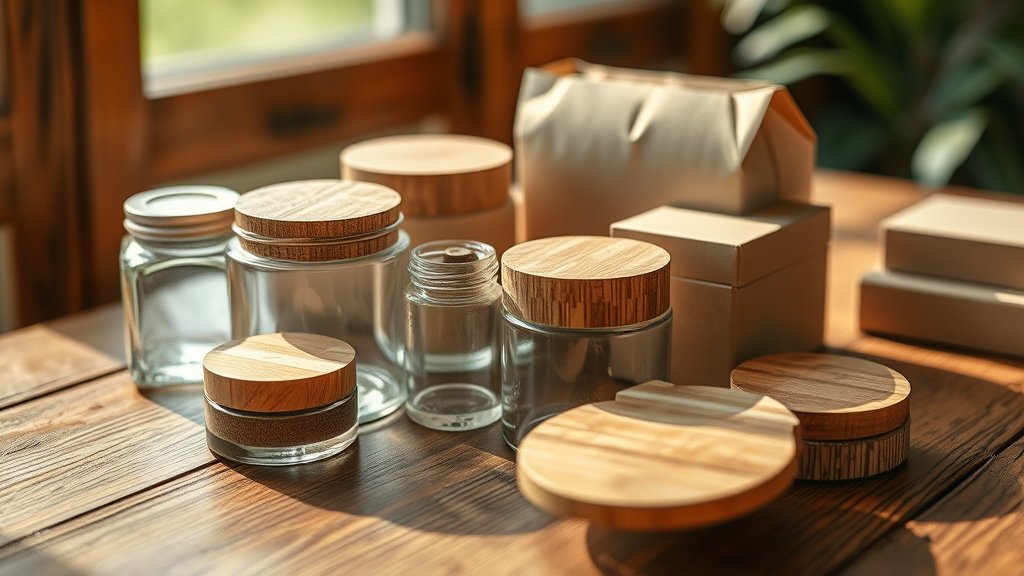
The beauty industry has long relied on single-use plastics for their convenience and cost-effectiveness. However, the environmental impact of these materials has become increasingly apparent. Single-use plastics contribute significantly to pollution, with millions of tons ending up in landfills and oceans each year. This has prompted a shift towards more sustainable practices in the cosmetic industry, as both brands and consumers seek to reduce their carbon footprint.
Transitioning away from single-use plastics involves rethinking the entire lifecycle of cosmetic packaging. Companies are now looking at everything from the sourcing of raw materials to the end-of-life disposal of their products. This holistic approach not only helps in reducing waste but also encourages innovation in packaging design. By adopting sustainable materials and practices, the beauty industry can significantly lessen its environmental impact while still delivering high-quality products to consumers.
Moreover, this shift is not just a trend but a necessary evolution. Governments and regulatory bodies worldwide are tightening restrictions on plastic use, pushing companies to find eco-friendly alternatives. Consumers are also more informed and concerned about the environmental impacts of their purchases, leading to increased demand for sustainable products. As a result, moving away from single-use plastics is becoming a key differentiator for brands looking to stay competitive in an evolving market.
The eco-friendly materials making waves in cosmetics
One of the most promising developments in the quest for sustainability in cosmetics is the adoption of eco-friendly materials. These materials are designed to minimize environmental impact while maintaining the quality and functionality needed for beauty products. Biodegradable and compostable options are gaining popularity, offering a viable alternative to traditional plastics.
Biodegradable and compostable options
Biodegradable materials break down naturally over time through the action of microorganisms, reducing their environmental footprint. These materials can be derived from various sources, including plant-based plastics made from corn starch or sugarcane. These alternatives not only reduce reliance on fossil fuels but also decompose much faster than conventional plastics, making them an attractive option for cosmetic packaging.
Compostable materials take this a step further by breaking down into non-toxic components that can enrich the soil. Unlike biodegradable materials, which may leave behind residues, compostable options decompose entirely, leaving no harmful traces. This makes them an excellent choice for brands looking to create a closed-loop system where packaging waste can be returned to the earth safely.
Adopting these eco-friendly materials requires careful consideration of their properties and how they interact with different cosmetic formulations. Brands must ensure that these materials provide adequate protection for their products while being compatible with existing manufacturing processes. Despite these challenges, many companies are successfully integrating biodegradable and compostable options into their packaging solutions, setting new standards for sustainability in the industry.
Refillable and reusable: the future of cosmetic containers
Another significant advancement in sustainable packaging is the rise of refillable and reusable containers. These solutions aim to reduce waste by encouraging consumers to keep and reuse their packaging rather than discarding it after a single use. This approach not only minimizes waste but also fosters a stronger connection between consumers and their favorite brands.
Refillable containers come in various forms, from sleek glass bottles to durable aluminum cases. Brands like calaso.com offer high-quality cosmetic bottles that are designed to be refilled multiple times, ensuring longevity and reducing waste. These containers often feature modular designs that make it easy for consumers to replace or refill specific components without discarding the entire package.
Reusable containers take this concept further by being designed for long-term use across various products. For instance, a high-quality glass jar could be used for different creams or lotions over time, reducing the need for new packaging with each purchase. This not only benefits the environment but also provides consumers with a versatile and stylish solution for their beauty needs.
How brands are innovating with sustainable packaging
The push towards sustainability has driven brands to innovate in ways that were previously unimaginable. Companies are now leveraging advanced technologies and creative designs to develop sustainable packaging solutions that do not compromise on aesthetics or functionality. This innovation is evident in various standout initiatives that set new benchmarks for the industry.
Examples of standout sustainable initiatives
One such example is calaso.com, which offers a range of premium cosmetic bottles designed with sustainability in mind. Their products include options made from recycled glass and feature eco-friendly closures such as pump caps and spray caps. By prioritizing sustainability without sacrificing quality or design, Calaso sets a high standard for other brands to follow.
Another notable initiative comes from brands that incorporate post-consumer recycled (PCR) materials into their packaging. By using PCR plastics, companies can reduce the demand for virgin plastic production while giving new life to materials that would otherwise end up in landfills. This circular approach helps close the loop on plastic waste and supports broader recycling efforts.
Additionally, some brands are exploring innovative finishes and coatings that enhance the sustainability of their packaging. For example, water-based inks and coatings can replace traditional solvent-based options, reducing harmful emissions during production. Such advancements demonstrate that sustainable packaging does not have to compromise on quality or visual appeal.
Simple ways to make your beauty regimen greener
While brands play a crucial role in driving sustainability, consumers also have a significant impact through their choices and habits. There are several simple yet effective ways to make your beauty regimen greener without sacrificing your favorite products or routines.
One of the easiest steps you can take is to support brands that prioritize sustainable practices. Look for products packaged in eco-friendly materials like those offered by calaso.com, which provides a variety of cosmetic bottles made from recycled glass and other sustainable options. Choosing such products sends a strong message to manufacturers about the importance of sustainability.
Another practical tip is to opt for refillable or reusable containers whenever possible. Many brands now offer refill stations or sell refill packs that allow you to replenish your favorite products without purchasing new packaging each time. Investing in high-quality containers designed for multiple uses can significantly reduce your environmental footprint over time.
You can also reduce waste by adopting minimalistic beauty routines that focus on multifunctional products. This approach not only simplifies your regimen but also decreases the number of items you need to purchase and dispose of regularly. Look for versatile products that serve multiple purposes, such as moisturizers with SPF or tinted balms that work as both blush and lip color.