
In various industries, the movement of heavy materials and equipment is a daily necessity. Whether it is a busy logistics hub or a high-pressure medical facility, the physical demand placed on staff can be immense. For years, the standard approach to moving large trolleys or specialized equipment was purely manual labor. However, as the weight of these loads increases and the expectations for speed grow, the traditional method is becoming unsustainable. Organizations are now looking toward technological integration to bridge the gap between operational efficiency and the physical well-being of their workforce.
The core of the problem lies in the initial force required to set a stationary object in motion. Pushing a heavy cart from a standstill puts significant strain on the lower back, shoulders, and wrists. When this action is repeated dozens of times during a single shift, the risk of chronic musculoskeletal disorders rises sharply. By exploring modern solutions, businesses can mitigate these risks while ensuring that their logistical flows remain uninterrupted.
The mechanical evolution of load management
Technology has advanced to a point where physical strain should no longer be a requirement for warehouse or facility management. One of the most effective ways to manage heavy inventory is through the implementation of power-assisted mobility. By integrating an Electric drive system for heavy carts, operators can move several hundred kilograms with the touch of a finger. These systems do not just provide speed; they offer precision and safety by handling the "break-out" force that causes most workplace injuries.
Beyond the immediate ease of use, these motorized systems allow for better control in tight spaces. Traditional heavy carts often require two people to steer and push around corners to avoid collisions or tipping. With an integrated drive wheel, the system senses the user's natural movement and provides the necessary power boost in the right direction. This intuitive control makes the workplace safer not just for the operator, but for everyone in the surrounding environment.
Ergonomics in the healthcare environment
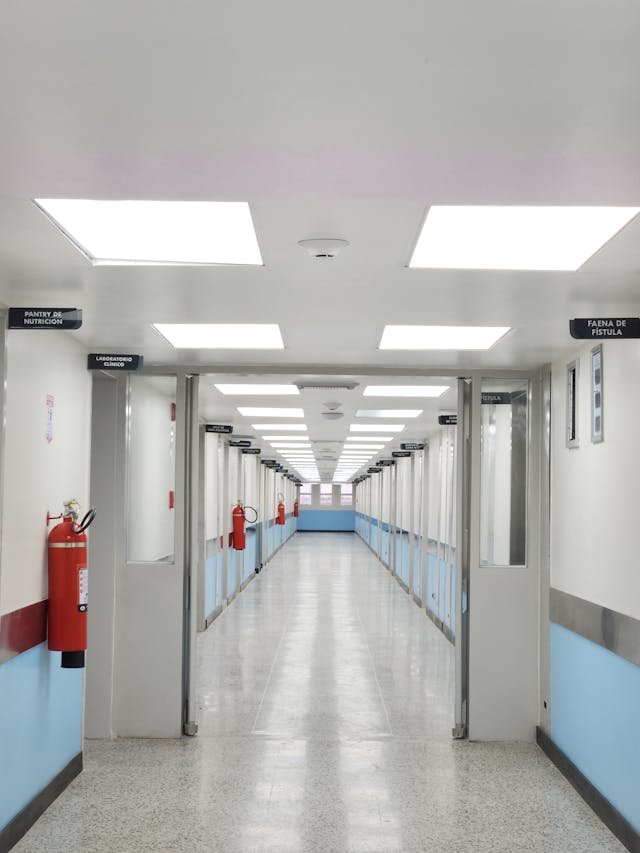
The healthcare sector faces unique challenges when it comes to material handling. Unlike a sterile warehouse, hospital corridors are often crowded with patients, visitors, and delicate medical machinery. Moving heavy hospital beds, mobile X-ray units, or laundry carts requires a high degree of sensitivity and care. Because medical staff are often focused on patient outcomes, their own physical health can sometimes take a backseat. This is why Improving workplace ergonomics in hospitals has become a priority for facility managers worldwide.
When nurses and orderlies are supported by ergonomic technology, the quality of care generally improves. A staff member who is not physically exhausted or suffering from back pain is more alert and capable of performing their clinical duties effectively. Implementing assistive technology in a medical setting reduces sick leave and turnover, which are common issues in the high-stress healthcare industry. It transforms the way daily tasks are perceived, turning a grueling physical chore into a manageable part of the patient care routine.
Long term benefits of physical health at work
Investing in professional ergonomic tools is often viewed through the lens of short-term costs, but the long-term return on investment is undeniable. A workplace that prioritizes the physical integrity of its employees fosters a culture of loyalty and productivity. When employees feel that their physical limits are respected and supported by the equipment they use, morale tends to increase. This leads to a more stable workforce and a significant reduction in insurance premiums and costs associated with workplace injuries.
Furthermore, these advancements allow for a more diverse workforce. By neutralizing the need for raw physical strength, roles that were previously limited to certain individuals are now accessible to everyone. This inclusivity strengthens the organization by allowing them to hire based on skill and dedication rather than just physical stature. Adapting the work environment to the human body, rather than forcing the body to adapt to the environment, remains the most effective strategy for sustainable growth in any industrial or service-oriented field.