
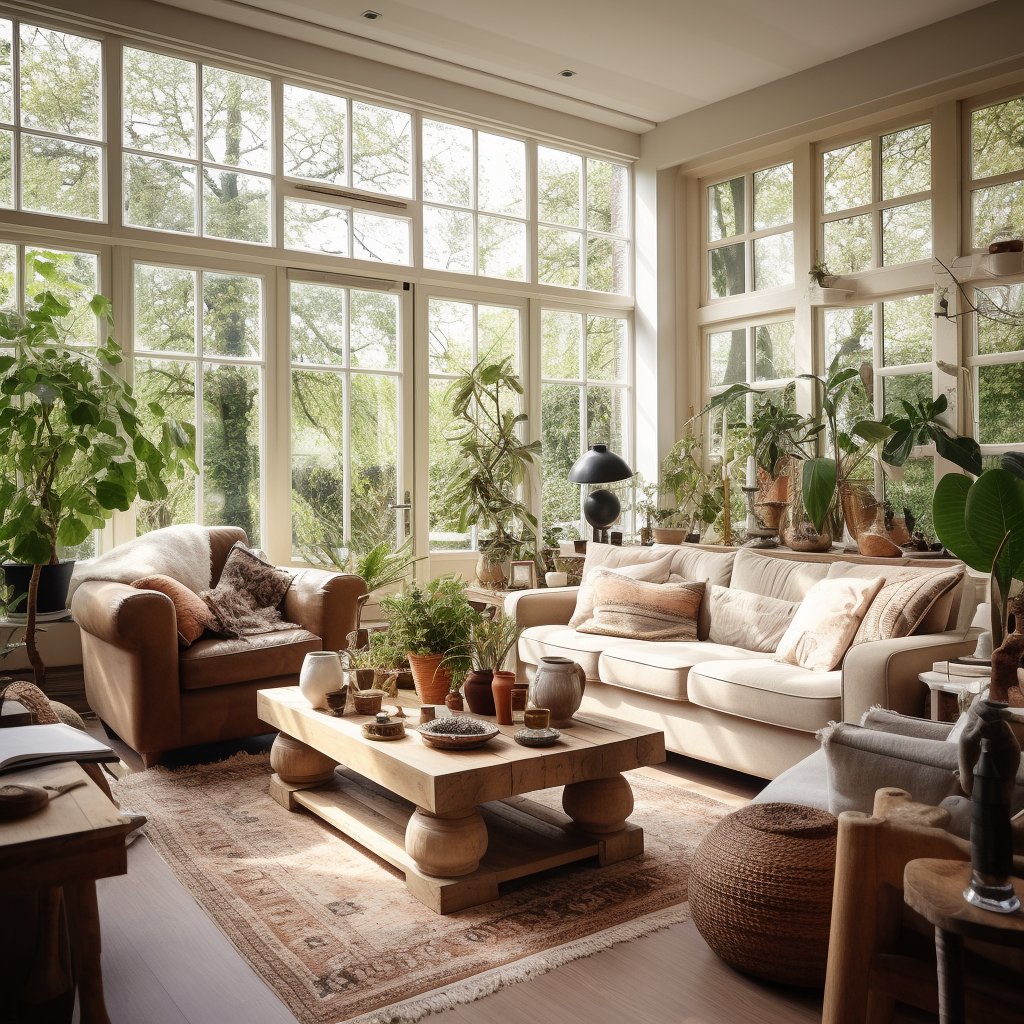
Embarking on the journey of purchasing a home in the Netherlands can be as thrilling as it is complex. With its unique landscapes, from bustling cities to tranquil countryside, the Netherlands presents a variety of options for anyone looking to plant roots. The initial phase involves understanding the housing market’s nuances and the legalities involved in owning property in this vibrant country.
Before you jump into listings and viewings, it’s crucial to get acquainted with the local property market trends. Factors such as location, property type, and market demand can significantly influence pricing and availability. A solid grasp of these elements will arm you with the knowledge to make informed decisions and spot a good deal when you see one.
In addition to market research, potential homeowners should familiarize themselves with the regulations and legal processes that come with buying a home in the Netherlands. From understanding your rights as a buyer to knowing the intricacies of property law, being well-informed is your first line of defense against any surprises down the road.
Finding your dream home in the netherlands
The search for the perfect home is often a balance between desire and practicality. In the Netherlands, where picturesque canals meet cutting-edge architecture, finding a place that feels like “home” is about more than just four walls and a roof. It’s about location—being close to work, quality schools, or perhaps in the heart of cultural activity.
Once you’ve pinpointed your ideal location, the real hunt begins. It’s time to scour through listings, attend viewings, and maybe even visit open houses. Keep an eye out for details like natural light, storage space, and layout flow. These are everyday elements that can significantly impact your day-to-day comfort in your new Dutch abode.
However, don’t let the excitement cloud your judgment. Be patient and thorough in your search. Remember, it’s not just about the aesthetic appeal; it’s also about ensuring that there are no hidden issues that could become problematic later on. So take your time; after all, this is a long-term investment.
Money matters in home buying
When it comes to buying a home, one of the most critical steps is securing financing. Understanding how much you can afford and obtaining a mortgage are paramount. In the Netherlands, there are various mortgage types to consider, each with its own set of rules and benefits. Utilizing a dutch mortgage calculator can help you understand how much you can borrow based on your financial situation.
For many buyers, especially first-timers or those not well-versed in financial matters, navigating mortgages can be daunting. Here’s where doing your homework on interest rate Netherlands comes into play. It’s essential to compare current mortgage rates to ensure you’re getting the best deal possible. This will affect not only your monthly payments but also the total cost of your home over time.
Don’t forget to factor in additional costs such as taxes, insurance, and maintenance when budgeting for your new home. These expenses can add up and should be considered when determining how much house you can afford. It’s always better to err on the side of caution than to overextend financially.
Making it official
The process of making your home purchase official involves several steps, one of which is engaging with a notary. In the Netherlands, notaries play an essential role in property transactions—they handle everything from drafting the preliminary contract to registering the property transfer.
Choosing a reputable notary is crucial as they ensure that all documents are legally binding and correctly processed. They’ll guide you through terms and conditions you must be aware of before signing anything. With their help, you can navigate through this final phase with confidence and peace of mind.
Once all paperwork is signed and the keys are handed over, you’ve crossed the finish line—a proud owner of a Dutch property! But remember, finalizing your purchase is just one step in this exciting journey; next comes turning that property into a true home.
Settling in and making it yours
The adventure doesn’t end once you receive your keys—it merely transitions into a new phase: making your new house feel like home. This involves both practical setups like utilities and personal touches like decor.
Whether it’s painting walls or planting a garden, customizing your space is what truly transforms it. And as you settle in, don’t forget to explore your surroundings—getting to know your neighbors and local community can make your new house feel even more like home.
Remember, each improvement or personal touch adds value—not just monetary but also emotional—to your property. So take pride in this process; after all, creating a home is a labor of love worth every moment spent.